New Island
新島
2021年日本名為福德岡之場的海底火山在半年間陸陸續續的爆發幾次,火山活動伴隨著產生大量的浮石,而這些大量的浮石堆積成一座小島,日本人稱之為新島。日本新聞討論這座島嶼的誕生是否可以為日本增加領土與領海面積。因高溫高壓的變化造就了浮石輕盈的特性,隨著時間海浪的侵蝕與拍打,浮石小島越來越小,它們隨著洋流漂至四處,也一路漂流到台灣的沿海。當時在離家最近的台灣北海岸也能撿拾到這些擱淺在海灘上的浮石。
我想像撿拾這些浮石就像撿到一小塊的日本領土。我由這個想法作為起點,收集了許多相關資料,包括浮石形成的過程、成份以及漂流路徑等等。我發現浮石成份內含有大量的玻璃質像是二氧化矽等的成份,與陶藝使用釉時的組成極為相近,同時也是製作玻璃的主要成份之一。
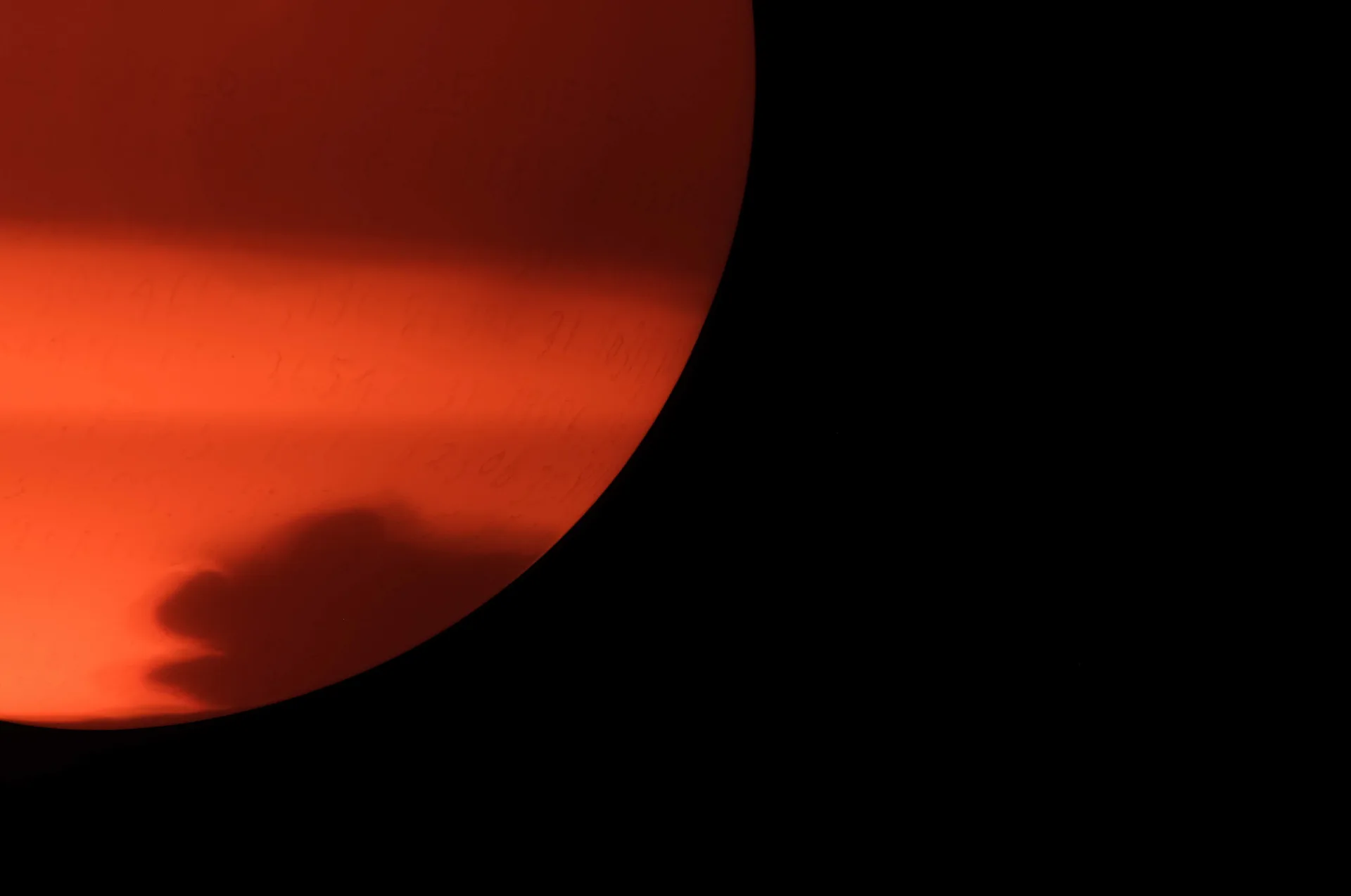
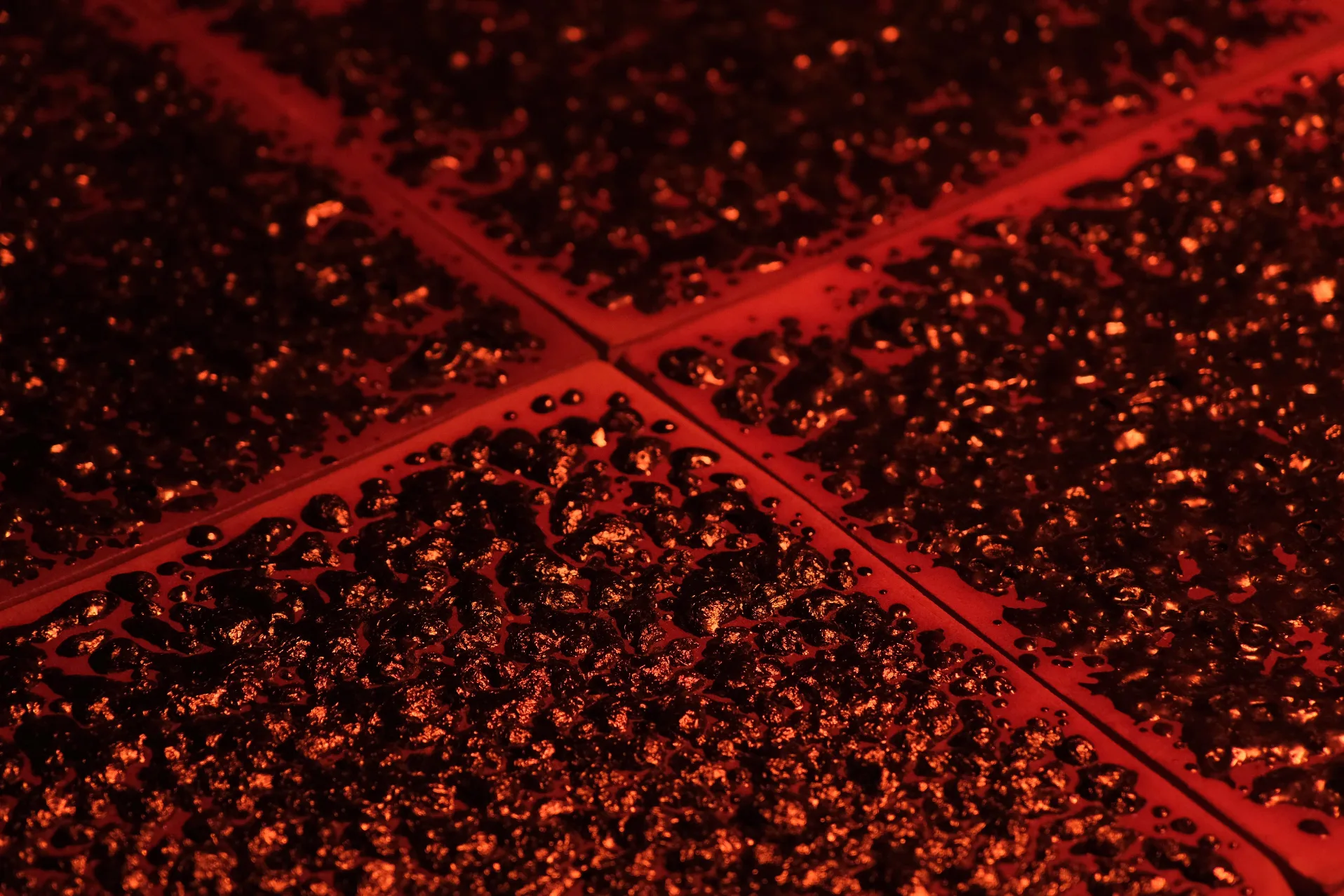
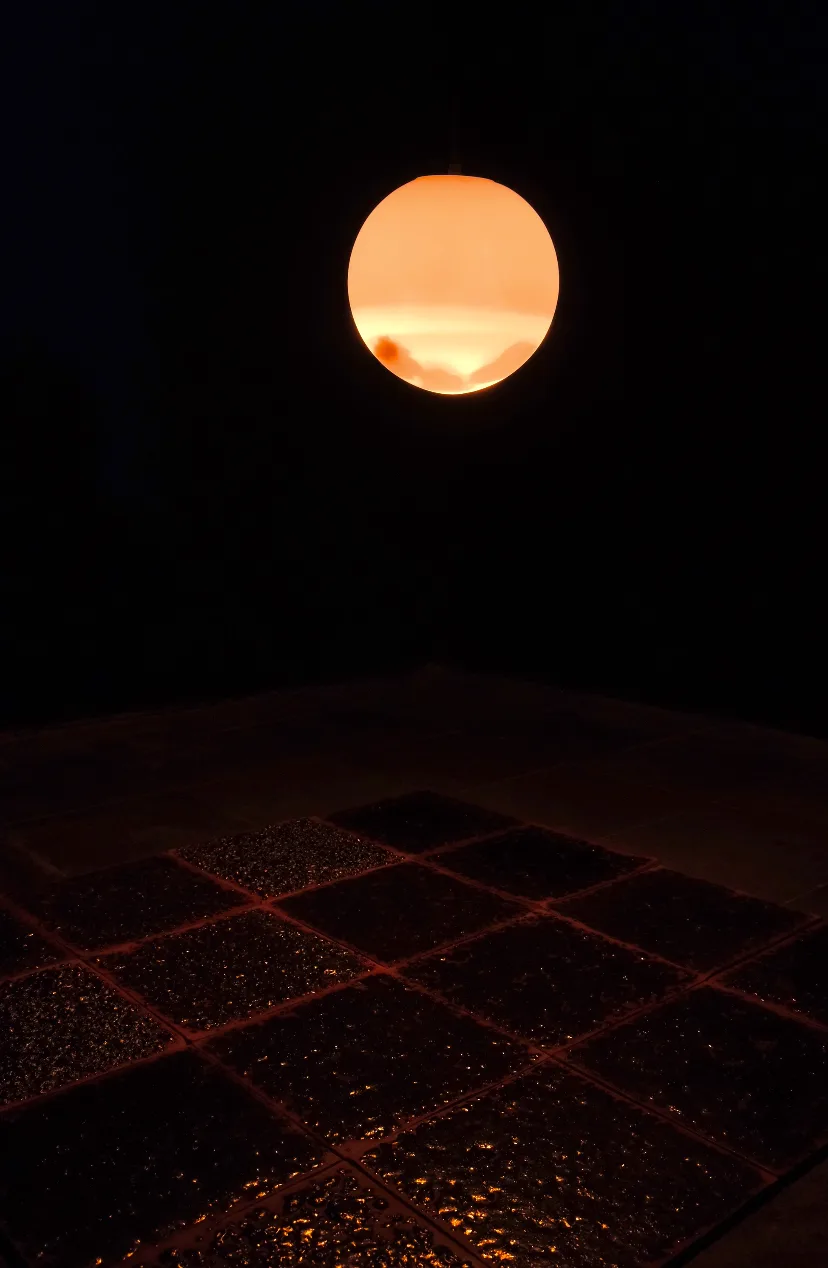
《新島》的作品中我運用到浮石拿來當成一種釉的材質表現,並燒製成許多磁磚。這些磁磚看起來是一種土地尺寸的單位。在《新島》的作品中,浮石同時作為現成物,作品中懸掛著一顆火紅的燈,這個玻璃燈內部承裝水,透過光線可以隱約從外部看見漂浮的浮石影子,就像一座漂浮的島。
In 2021, a submarine volcano named "福德岡之場" in Japan underwent several eruptions within a span of six months. These eruptions produced a significant volume of pumice, which accumulated and eventually gave rise to a small island. This newly formed landmass was designated as "新島" in Japanese. Discussions arose within the Japanese media centered on whether the emergence of this island could potentially extend Japan's territorial and maritime boundaries.
I imagined picking up these pumice stones was like picking up a small fragment of Japanese territory. Inspired by this concept, I proceeded to collect relevant information, including the process behind pumice formation, understanding its composition, along with the drifting path that it creates. I discovered that the composition of pumice includes a significant amount of glassy elements, among them silicon dioxide, a chemical compound which closely resembles the components used in ceramic glazing and also serves as a key ingredient in the production of glass.
In the piece New Island, I employed pumice as a glazing material and fired it into several tiles. These tiles serve as units of land size. The pumice stone is also used as a found object and placed inside a fiery red lamp. This glass lamp is filled with water, and when illuminated by light, the shadow of the floating pumice stone can be seen faintly from the outside, appearing as a floating island.